Flush Windows vs Non-Flush Windows
When specifying windows for customers, installers need to consider more than just appearance. The window style, profile, performance, installation requirements and customer expectations can all influence the suitability of a product. Two popular options we offer here at Sure Roofs are flush casement windows and traditional non-flush casement windows.
For trade installers, understanding the differences between these two styles can help when recommending the right solution for different properties and projects.
What Are Flush Casement Windows?
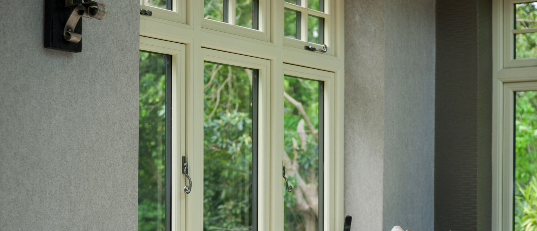
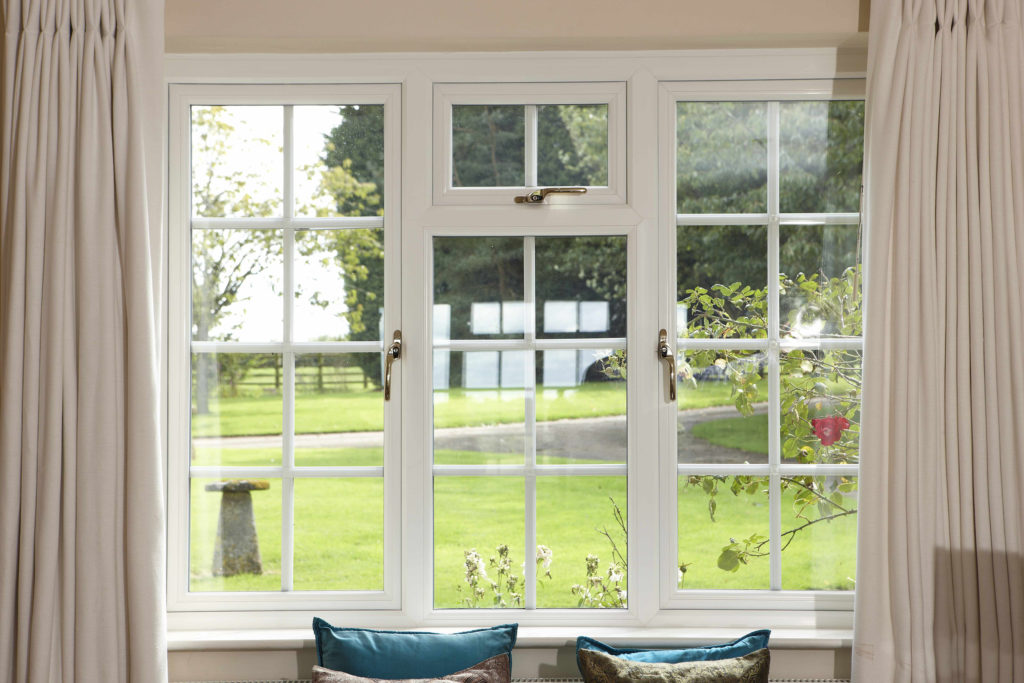
Flush casement windows are designed so the opening sash sits level with the outer frame when closed. This creates a clean, streamlined appearance that is particularly suited to homeowners looking for a traditional timber-inspired aesthetic with the benefits of modern uPVC.
We supply and manufacture uPVC flush casement windows, working with premium systems including The Residence Collection. These windows are available to installers across Norwich, Ipswich, Bury St Edmunds, Cambridge and throughout East Anglia.
For installers, flush windows can provide a strong option for projects where aesthetics are particularly important, including period-style properties, renovations and customers looking to achieve a heritage appearance.
What Are Non-Flush Casement Windows?
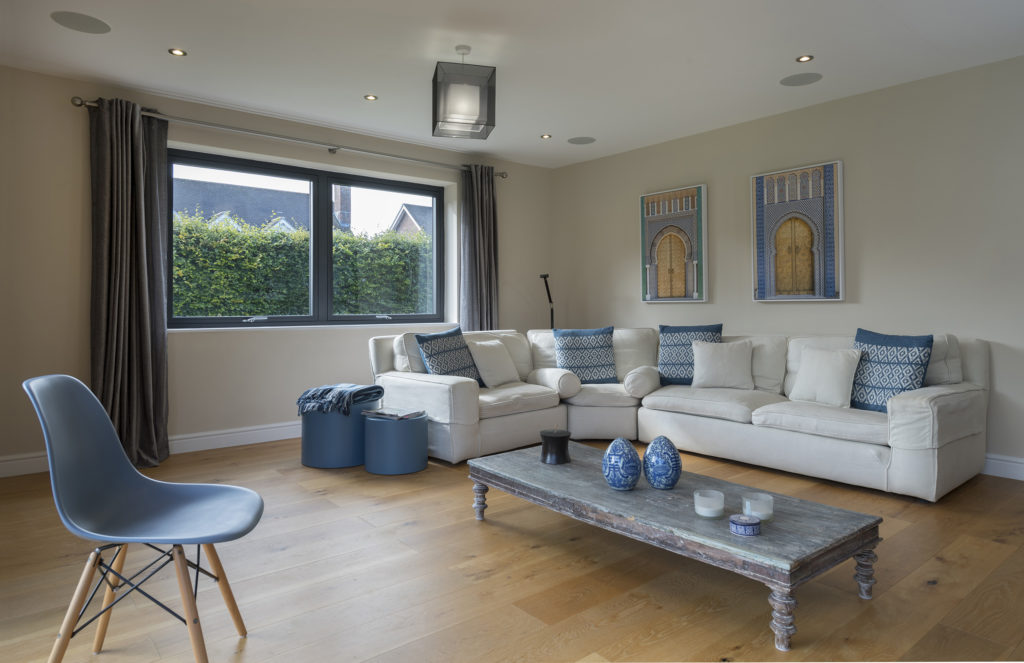
Traditional non-flush casement windows feature a sash that sits proud of the outer frame rather than being completely level with it. This is one of the most familiar window designs in the UK and remains a versatile choice for a wide range of domestic projects.
Non-flush casements can offer a straightforward, contemporary appearance while providing the thermal efficiency, security and weather protection expected from modern window systems.
The choice between flush and non-flush windows therefore often comes down to the property’s architectural style, the customer’s preferences and the specification required for the project.
Flush vs Non-Flush Windows: Key Differences
Appearance
The most obvious difference is the external appearance. Flush casement windows provide a flatter, more streamlined finish, while non-flush casements have a more pronounced frame and sash profile.
Flush windows can be particularly effective where customers want to replicate the appearance of traditional timber windows while retaining the practical advantages of modern uPVC systems.
Customer Requirements
For installers, offering both styles provides greater flexibility when discussing options with homeowners. A modern property may suit the clean appearance of either style, while a period or character property may benefit from the more traditional appearance of flush casements.
Performance
Performance depends on the specific window system, glazing and specification rather than simply whether a window is flush or non-flush. The Sure Group’s flush casement systems are designed with advanced glazing and multi-chambered profiles to provide insulation and help reduce cold air ingress.
Product Selection
Flush windows can also give installers access to premium systems such as the Residence Collection. We work with leading manufacturers and brands, including The Residence Collection, REHAU, Kömmerling and Smart Systems, allowing trade customers to specify different products according to the requirements of each project.
Which Window Style Should Installers Recommend?
There is no single option that suits every project. Flush casement windows can be a strong choice when the customer prioritises a traditional, streamlined appearance, while non-flush casement windows offer a familiar and versatile alternative for a broad range of installations.
For trade installers, having access to both styles means you can offer customers greater choice while matching the window specification to the property, design brief and required performance.
The Sure Group supplies a comprehensive range of windows and other home improvement products to installers across East Anglia, supported by more than two decades of industry experience and in-house manufacturing capabilities.
Categories: Uncategorised